Envirotex problems

SillyOctpuss

Well-known member
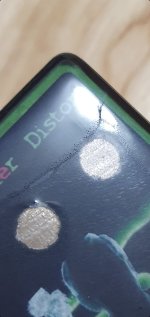
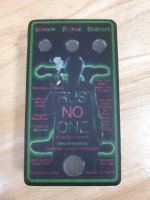
I've been using envirotex for approx 6 years now and this is the first time I've encountered this issue. We moved into a new bungalow about a year ago which has higher humidity levels than our previous house. I poured 4 enclosures last week and they all looked fine when I went to bed but in the morning all had a rough oily film over the top of the resin.

Apparently it's called amine blush and happens with higher humidity and colder temps. The resin reacts with the moisture and this oily rough surface is the result.

Screenshot_20211014-121425_Gallery_resized.jpg


20211013_222029_resized.jpg


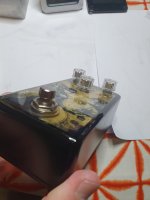
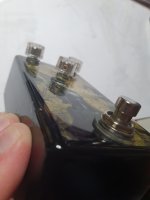
I've scrubbed the surface with water and a micromesh pad to remove it and am now back to a smooth matt surface. The plan is to do another coat of envirotex but I'm concerned this will happen again.


20211013_221923_resized.jpg

20211013_223911_resized.jpg

Does anyone have any tips for using resin through the winter months when it's cold and wet? My workshop in this house is the garage and running a dehumidifier and heater until they completely cure just isn't going to be practical.

I'm trying to find somewhere in the house to do I'm pretty sure this wont work either. I've got a cat, dog and a three year old with no way to close sny room off completely.
 
Last edited:
I only used envirotex a couple of times last winter but I was concerned about this too. My house is pretty cold overnight because we heat with wood. It's normal that the temperature can swing 40°F in 24 hours. I also didn't want it to stink up the house or have too much dust settle in it, so I used an aluminum pan with a plastic lid to contain the enclosures and put them in the living room near the stove and they came out ok
 
I only used envirotex a couple of times last winter but I was concerned about this too. My house is pretty cold overnight because we heat with wood. It's normal that the temperature can swing 40°F in 24 hours. I also didn't want it to stink up the house or have too much dust settle in it, so I used an aluminum pan with a plastic lid to contain the enclosures and put them in the living room near the stove and they came out ok

A stove would be damn handy for curing overnight. My old place was really dry with an excellent heating system so I could keep my old workshop/music room at a constant temp when curing. In this place we're going to be upgrading the heating system but it won't be until sometime next year.
 
That sucks man! I have only used clear coat so I have no experience with the stuff. but You could do a combination of the two get a large enough Tupperware consider that can fit the enclosures and some desiccant bags in there (you might get away with using sugar or salt...not really sure on that but something to read up on) and bring it in the house. I think as long as it’s over 60f it should probably be alright.
 
  • Like
Reactions: fig
Well the humidor idea is cool but expensive. Even second hand a decent sized one is too much money. I've been on some resin craft making forums this afternoon and found some people are using reptile heat mats to keep their resin at the correct temp as it cures.


Something like that is £18 delivered in the UK and could easily fit 4 BB sized enclosures on it. The process seems to be plug in your heat mat, place a silicon puppy feeding tray over it (I can get one the same size as the mat for £8). Then place my plastic tote over the top as usual to stop dust, cat hair etc landing in my resin.

Seems to be a pretty good idea. I'm going to order one, set it up on the dining room table to keep my toddler away from it and run our dehumidifier. Fingers crossed that might solve the issue for a relatively small amount of cash.

I'll report back when I get everything and find time to try it out.
 
  • Like
Reactions: fig
That sucks man! I have only used clear coat so I have no experience with the stuff. but You could do a combination of the two get a large enough Tupperware consider that can fit the enclosures and some desiccant bags in there (you might get away with using sugar or salt...not really sure on that but something to read up on) and bring it in the house. I think as long as it’s over 60f it should probably be alright.

I used to use clearcoat but once I tried envirotex I can't get the same gloss for a relatively small amount of work. I was also not very good at spraying from rattle cans so my poor technique was probably to blame.
 
Thanks Will, reminded me; make sure the enclosure is around the same temp as whatever media you spray on it.
 
Yeah, I looked around a bit after I mentioned it...they are pricey.
I think your approach is solid. Paradox nailed it too with those "do not eat" bags they send with stuff. They're right though...they taste terrible!

Luckily in work we ship a lot of apple products so have a lot of those "do not eat" bags. I'll see if there's some I can bring home to use. I never paid much attention to them after I realised they weren't sherbert.
 
Once I learned to heat spray cans first, I've been having way better results with all types of paint

Yeah I started to heat my cans just before I tried resin. I heat that the same way and like to stick with it if I can. Once you get it mixed and poured you just need to check on it every 15 mins or so to deal with drips, runs etc. It needs to cure for a few days but I find it a lot less work than spraying multiple coats of clear and sanding. I also make a lot less mess with resin. the way I spray it ends up everywhere, again probably poor technique.
 
I used to use clearcoat but once I tried envirotex I can't get the same gloss for a relatively small amount of work. I was also not very good at spraying from rattle cans so my poor technique was probably to blame.
I still get some “orange peel “ but it’s not terrible.. the resin looks like it comes out better... is it more durable? How does it drill? Does it chip or machine well?

How do you apply it?
 
I still get some “orange peel “ but it’s not terrible.. the resin looks like it comes out better... is it more durable? How does it drill? Does it chip or machine well?

How do you apply it?

The resin is pretty much bullet proof once it's cured. This delay pedal has been on my board for about 5/6 years. It's basically mint there's not a single scratch on it. Any rattle can pedals I've made before that don't look anything like this now.

20211014_220049_resized.jpg

20211014_220111_resized.jpg


You basically baby it for two hours checking every 15 mins or so and then I check it every 30 mins for the next two hours. After that it just needs to be left somewhere safe to do it's thing. It's cured hard after 24 hrs but I leave it about 3 days before I drill it. You don't need to drill a pilot hole you can go straight through it with a stepped drill bit. It's a lot harder than lacquer but also a lot softer than aluminium so the drill bit goes right through with virtually no resistance. This IMO is basically the definitive guide and I don't deviate very far from it. It's juansolo and cleggy's guide.

 
Back
Top