Recommend a good beginner bass?

BuddytheReow

Moderator
I had a bass guitar that my high school friend gave me many years ago. He was just trying out bass in general and it just didn't click with him. In his defense it was pretty crappy with bad string height and intonation issues. I finally sold it at a garage sale I had a few months ago. There is some slight regret since now I don't have a bass, but not enough regret to want that bad one back. Can anyone recommend a good beginner bass under, say, $250?
SlappinDaBassMeme-500x286.png
 
For that price point you're in the Squier Affinity range. I've never played an Affinity myself so I can't comment on their quality or anything. I'd imagine that they would be perfectly fine to noodle around and learn on.

However, if you do get a Precision bass I'll send you the pickup I took out of my USA P bass.

Just a quick edit to add: while the basses tend to be more expensive models, I would recommend checking out the classifieds on TalkBass. There are always a ton of basses for sale on there and sometimes you'll see a couple under $300.
 
Last edited:
For that price point you're in the Squier Affinity range. I've never played an Affinity myself so I can't comment on their quality or anything. I'd imagine that they would be perfectly fine to noodle around and learn on.

However, if you do get a Precision bass I'll send you the pickup I took out of my USA P bass.

Just a quick edit to add: while the basses tend to be more expensive models, I would recommend checking out the classifieds on TalkBass. There are always a ton of basses for sale on there and sometimes you'll see a couple under $300.
Yep, I don't know a lot about basses, but drawing a parallel from Squier guitars, you'd probably be better off with a used Classic Vibe than a new Affinity.
 
Personally I prefer passive basses. I think that a precision or jazz would be able to cover most people's needs. The MM SUBs are nice (I have one) but you are then stuck with a very particular sound. Nothing wrong with it, it sounds great, it's just a very specific sound.

I prefer a P neck (9.5" radius) over a J neck (12" radius) but I'd say that the majority probably prefer a J.

Ibanez make some good lower model instruments but I always found their necks anemic, but you may dig that.
 
s-l400 (3).jpg
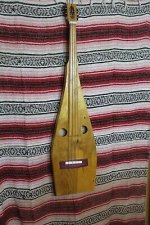
This is a perfect bass. Can be had for around 250, and it can even be used as an oar in an emergency situation. The neck join is at the 4th fret, so it forces you to be creative and play in the lower ranges, which also prevents those pesky bass solos. It also looks like it has a face. What more could you ask for?
 
Ok. I'm looking on Sweetwater right now and the three brands I see in my price range (forgot about tax and shipping) are Ibanez, Squier and Jackson. My first guitar was a squier but that was 20 years ago and from what I've heard they've come a long way since then in terms of quality. Any thoughts on Jackson?
 
Ok. I'm looking on Sweetwater right now and the three brands I see in my price range (forgot about tax and shipping) are Ibanez, Squier and Jackson. My first guitar was a squier but that was 20 years ago and from what I've heard they've come a long way since then in terms of quality. Any thoughts on Jackson?
I have been looking, and I can't find a classic vibe bass under 400 dollars sadly, I think those are a big jump in quality from the affinity basses. If I'm not mistaken the affinity ones also don't have a full thickness body. That's not really a huge deal, but could make neck dive worse.
 
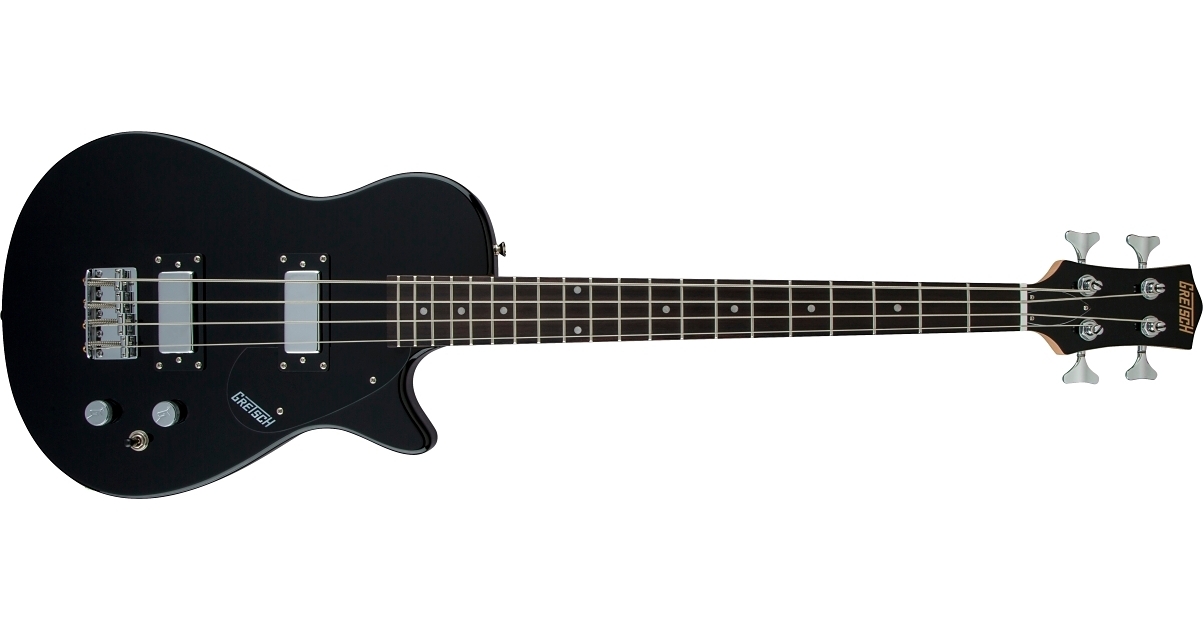
Check out the Gretsch Electromatic basses. They’re short scale basses and super easy to play. Got one so I can do some Royal Blood kind of things with it.

 
Check out the Gretsch Electromatic basses. They’re short scale basses and super easy to play. Got one so I can do some Royal Blood kind of things with it.

Those look interesting but could be a deal breaker for some people because it's short scale.
 
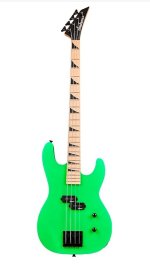
Haaaate Jackson basses. So much. If you have get a Jackson, let it be this one. Because it's funny to me.

Screenshot_20211215-214205_Chrome.jpg

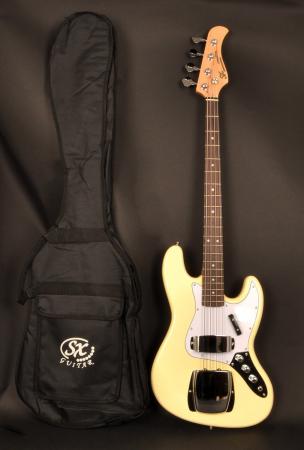
I've always had good luck with ibanez and yamaha, as far a the budget side of a brand. The bassist from Khruangbin, Laura Lee plays an sx jazz.... might be aaaight???? Never had one in my hands though.

Rondo happens to be where I got my big pedalboard case. Definitely skip those, they are pedal case shaped pieces of trash. I could have epoxied tin foil to a cardboard box myself and it would have been harder to dent.

 
Those look interesting but could be a deal breaker for some people because it's short scale.
Short scale basses are great, I used one for years as my primary bass. They are really fun to play. But I've found over the years that the sound most people want when they talk about getting a bass is the Pbass. Not to say others don't sound good, but the Precision defiantly has "that" sound.
 
Sometimes the vintage Greco and Tokai basses can be found for cheap. It is sort of like the Greco strats, which still seem to be possible to find for good deals (LPs and 335s are through the roof since Covid though). I recently bought a Fresher P-Bass on the yahoo Japan auctions but still don't have it. I think the Tokai P-basses have the best logo though. The model says "Hard Puncher" on the headstock.
 
Most Gibson and Fender short scale basses are 30.5". There are a couple that are 32" but it is pretty rare. A few that are shorter like the Pocket Bass (I forget maybe an Airline or something like that), but they are super uncommon and not great because the string tension is too floppy and they just sound flat. The 30.5" length seems to more or less be standard for short scale. I have seen 32" referred to as medium scale sometimes.

As far as playability and muscle memory there isn't as huge a difference as you would think. IMHO string spacing makes a bigger difference in this regard than scale length. I think guitarist and bassist develop a sense of relative tone that sort of overpowers muscle memory. It might take a minute or two but adjusting from one to the other is as effortless as switching from a Les Paul to a Tele once you have been playing a little while.

The main difference to me is that the longer scale has a snappier sound (almost more like a low note on a piano) and the shorter is a little hollow and deeper (more like an upright bass). It's subtle but you start to hear it when you play each for a while. If you want to do, for example, that whole Flea thing then you want a 34" length. Likewise if you want a deep hollow upright bass sound from an electric then use a short scale bass with a mute and you are as close as you are going to get with out playing an actual upright.

And yes OP the affinity has a thinner body than the higher end ones. It actually makes it a pretty natural move for a guitarist, because the body is pretty much as thick as something like a Strat or Tele. Neck dive wasn't a problem for mine, it had smaller closed tuners that probably didn't weigh as much as standard Pbass tuners. Though neck dive isn't something that has ever bothered me so maybe I just didn't notice.

The Gretsch is pretty cool though. Another suggestion if you want to consider a short scale is the Squier Bronco bass. You used to be able to get them for $100 used, not sure what they go for these days though. The entry level Epiphone SG bass is alright too, but typically they need a little work before they are good players.

 
Most Gibson and Fender short scale basses are 30.5". There are a couple that are 32" but it is pretty rare. A few that are shorter like the Pocket Bass (I forget maybe an Airline or something like that), but they are super uncommon and not great because the string tension is too floppy and they just sound flat. The 30.5" length seems to more or less be standard for short scale. I have seen 32" referred to as medium scale sometimes.

As far as playability and muscle memory there isn't as huge a difference as you would think. IMHO string spacing makes a bigger difference in this regard than scale length. I think guitarist and bassist develop a sense of relative tone that sort of overpowers muscle memory. It might take a minute or two but adjusting from one to the other is as effortless as switching from a Les Paul to a Tele once you have been playing a little while.

The main difference to me is that the longer scale has a snappier sound (almost more like a low note on a piano) and the shorter is a little hollow and deeper (more like an upright bass). It's subtle but you start to hear it when you play each for a while. If you want to do, for example, that whole Flea thing then you want a 34" length. Likewise if you want a deep hollow upright bass sound from an electric then use a short scale bass with a mute and you are as close as you are going to get with out playing an actual upright.

And yes OP the affinity has a thinner body than the higher end ones. It actually makes it a pretty natural move for a guitarist, because the body is pretty much as thick as something like a Strat or Tele. Neck dive wasn't a problem for mine, it had smaller closed tuners that probably didn't weigh as much as standard Pbass tuners. Though neck dive isn't something that has ever bothered me so maybe I just didn't notice.

The Gretsch is pretty cool though. Another suggestion if you want to consider a short scale is the Squier Bronco bass. You used to be able to get them for $100 used, not sure what they go for these days though. The entry level Epiphone SG bass is alright too, but typically they need a little work before they are good players.
You explain it much better than I could! I find it interesting that a shorter scale would have a hollow and deeper tone like an upright when an upright scale is even longer than a normal scale bass.
 
Short scale basses are great, and they're a little easier to move around on, I'd think especially for someone coming from guitar. I dream of getting a Wattplower one of these days. I think a short scale would be a lot of fun live.
 
You explain it much better than I could! I find it interesting that a shorter scale would have a hollow and deeper tone like an upright when an upright scale is even longer than a normal scale bass.
Think it has to do with string tension. There’s more tension on the longer strings, hence the poppier sound. Less tension gives a loose, more open, hollow sound.
 
Back
Top