threeverb toggle and potentiometer positions

are the toggle switch positions from top to bottom just as they are listed on the Threeverb page? Top=Hypernova (modulated), Center=Glimmer (shimmer), Bottom=Radium Springs (spring)? and the top knobs are (from left to right) Dwell, Control2, Control3?
 
For the toggle, it will be apparent which is which when it is switched. I don't remember the order of mine when I built them.

And the control knobs are indeed Ctrl1, Ctrl2 & Ctrl3 - from left to right as looking at them from the top of the enclosure.
 
For the toggle, it will be apparent which is which when it is switched. I don't remember the order of mine when I built them.

And the control knobs are indeed Ctrl1, Ctrl2 & Ctrl3 - from left to right as looking at them from the top of the enclosure.
thanks. I was hoping to know what they are before building it because I do the graphics in parallel so that the enclosure is ready when the build is done. and this build group is going to be 9 pedals
 
What would be the point of building the Radium springs and not the Threeverb if radium is fully covered by it?
Or does the radium Spring Eprom do something different than Threeverb Eprom?
Both builds have the switch on/off/on and the schematic is the same for both builds (Pythagoras v3)...
 
What would be the point of building the Radium springs and not the Threeverb if radium is fully covered by it?
Or does the radium Spring Eprom do something different than Threeverb Eprom?
Both builds have the switch on/off/on and the schematic is the same for both builds (Pythagoras v3)...
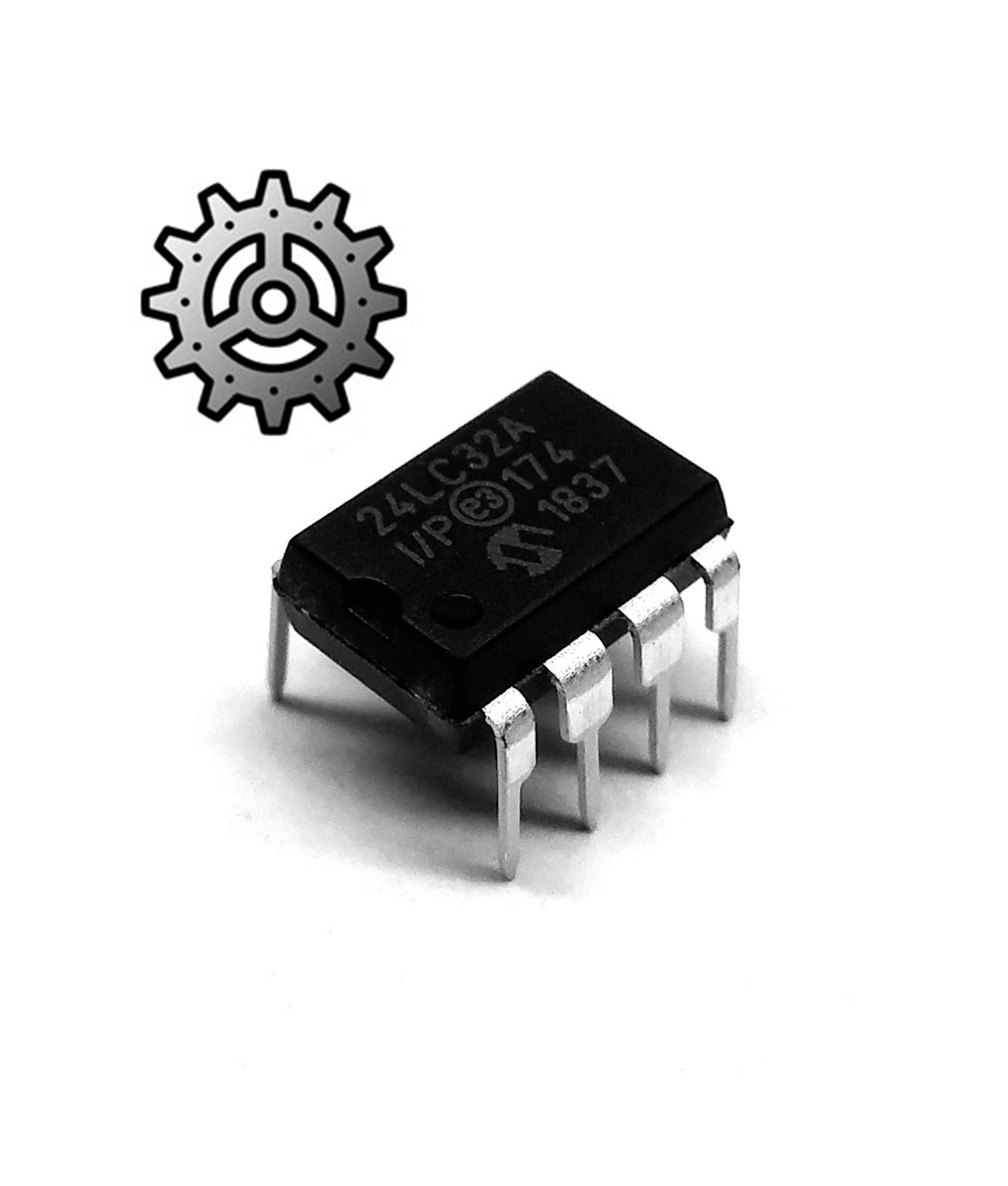
While both the Radium Springs and the Threeverb use the same Pythagoras PCB, it is the algorithm content of the FX patches in the EEPROMs that are different. The Pythagoras board is designed to support three algorithms (patches); bu the Arachnid board is designed to support 8 algorithms. The FV-1 chip is a DSP that can read an EEPROM with various FX algorithms. The designated EEPROMs (24LC32A) can hold up to 8 algorithms.
 
Thanks, yes I saw. I just thought one algorithm could be made to use independently of where it is put. Of course resistors and caps etc has to be there to support it, but as far as algorithm goes I thought you could program the Spring one onto eproms and then fill the other slots with diverging other algorithms.
I most likely have misunderstood how this works. 🤯🎅
 
Thanks, yes I saw. I just thought one algorithm could be made to use independently of where it is put. Of course resistors and caps etc has to be there to support it, but as far as algorithm goes I thought you could program the Spring one onto eproms and then fill the other slots with diverging other algorithms.
I most likely have misunderstood how this works. 🤯🎅
Try thinking of the Pythagoras and Arachnid boards as an old fashioned "cassette player". And the EEPROM as a blank cassette that can hold up to 8 songs (patches). All of the other components are there simply to access & read what's on the EEPROM. The Pythagoras board will only access & play the first three songs (patches) on the cassette (EEPROM) but the Arachnid board will access & play all 8 songs (patches). And like a cassette, the patch (song) locations on the EEPROM are fixed.
 
Back
Top