balazs.bencs
Active member
Many of you seen my vibe coded projects for the Daisy Seed which was an awesome experiment for me, but I always had issues with the CPU constraints, I could not improve the quality of the reverbs going higher with other effects in the chain and I had so much struggle with NAM A2, to get it working with the IRs and still have a screen, etc…
This led me to the Raspberry Pi, so much more CPU and for me easier development since I am already working with a lot of Linux based stuff every day.
My goal was simple: get parts that are available for everyone, build a modeler platform that is capable of running NAM A2 and have other effects as well, with a great user experience that is customizable and works well in any environment. I never wanted to reach the levels of the Quad Cortex but I wanted something that works in a similar way but still keep it on a DIY level.
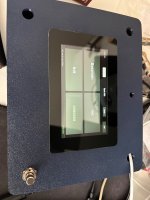
So far I have a working prototype of a pedal that is capable of running NAM A2 full as well as IRs and other effects in any order you want.
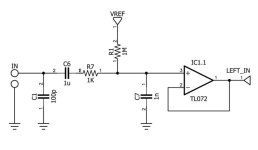
Hardware is a Raspberry Pi 4B 1GB of RAM (so it is still not expensive to buy), a Raspberry Pi Codec Zero for ADC/DAC and a Raspberry pi touch display 2 (5in). These should be available everywhere, you can get these pretty easy. The only custom part is the buffer for guitar input, which is copied from the Terrarium project - works great here too.
Also I wanted to move my effects from my Daisy Seed multi fx project ( from the other thread) to this project since those are sounding great already, so I already have a lot of effects to use.
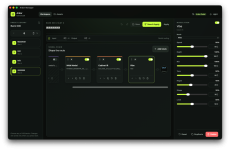
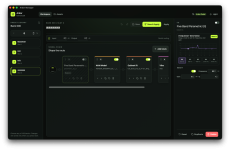
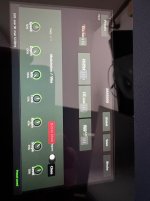
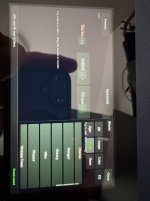
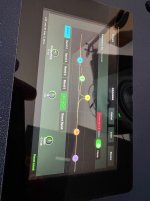
Currently the software has a preset screen and an Edit screen, where you can drag and drop effect blocks into the chain, reorder them, adjust parameters, etc…
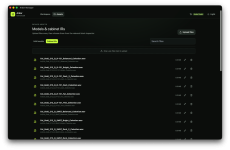
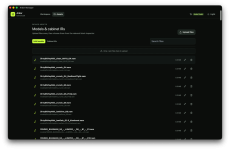
The device does have a REST API interface so you can manage presets and upload NAM files and IRs and I also made a small desktop app that uses this API and makes managing presets and modeler files easy.
The project will be open sourced within a couple of weeks, with some assembly instructions and you can have the same hardware as I do - I just need some time for proper testing and a tons of adjustments to the UI is still in the backlog.
Let me know what you think!
github link is coming soon, when I properly had the time to test and document everything.
This led me to the Raspberry Pi, so much more CPU and for me easier development since I am already working with a lot of Linux based stuff every day.
My goal was simple: get parts that are available for everyone, build a modeler platform that is capable of running NAM A2 and have other effects as well, with a great user experience that is customizable and works well in any environment. I never wanted to reach the levels of the Quad Cortex but I wanted something that works in a similar way but still keep it on a DIY level.
So far I have a working prototype of a pedal that is capable of running NAM A2 full as well as IRs and other effects in any order you want.
Hardware is a Raspberry Pi 4B 1GB of RAM (so it is still not expensive to buy), a Raspberry Pi Codec Zero for ADC/DAC and a Raspberry pi touch display 2 (5in). These should be available everywhere, you can get these pretty easy. The only custom part is the buffer for guitar input, which is copied from the Terrarium project - works great here too.
Also I wanted to move my effects from my Daisy Seed multi fx project ( from the other thread) to this project since those are sounding great already, so I already have a lot of effects to use.
Currently the software has a preset screen and an Edit screen, where you can drag and drop effect blocks into the chain, reorder them, adjust parameters, etc…
The device does have a REST API interface so you can manage presets and upload NAM files and IRs and I also made a small desktop app that uses this API and makes managing presets and modeler files easy.
The project will be open sourced within a couple of weeks, with some assembly instructions and you can have the same hardware as I do - I just need some time for proper testing and a tons of adjustments to the UI is still in the backlog.
Let me know what you think!
github link is coming soon, when I properly had the time to test and document everything.
Attachments
-
 IMG_3844.jpeg706.2 KB · Views: 84
 -
 Screenshot 2026-07-19 at 16.40.02.png1.1 MB · Views: 76
 -
 Screenshot 2026-07-19 at 16.39.50.png938.6 KB · Views: 62
 -
 Screenshot 2026-07-19 at 16.39.48.png860.2 KB · Views: 61
 -
 Screenshot 2026-07-19 at 16.39.37.png1.1 MB · Views: 72
 -
 IMG_3843.jpeg639 KB · Views: 75
 -
 IMG_3842.jpeg638.3 KB · Views: 73
 -
 IMG_3841.jpeg672.7 KB · Views: 79