
Harry Klippton
Not Interested
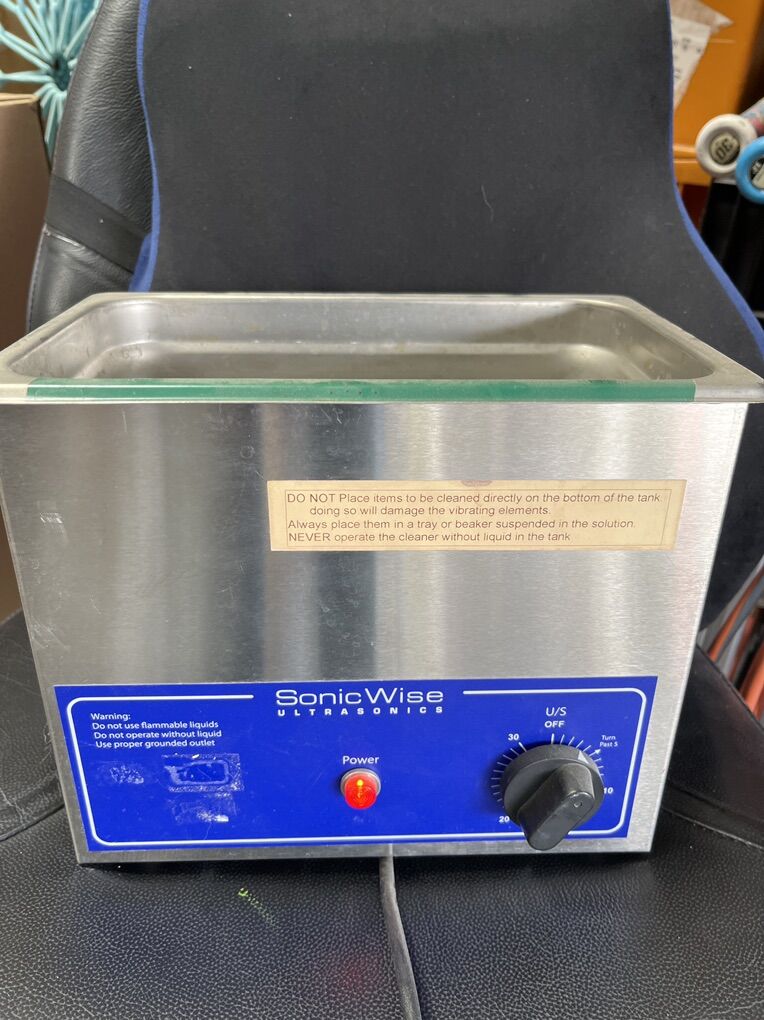
I've had a Vevor 2L ultrasonic cleaner for about a year and a half that saw regular light duty use but it recently stopped working. Unfortunately it's out of warranty, and despite being very responsive, Vevor customer support was ultimately unhelpful in diagnosing or repairing my unit. An ultrasonic cleaner is something I have a regular recurring use for and I've decided I can't live without one. While it's not very expensive, I'm not eager to buy another Vevor knowing that they're not very durable. So I have a few questions:
1. Is there a better option for a relatively inexpensive but more durable ultrasonic cleaner?
2. How does the transducer work? This is what stopped working. I looked for obvious faults like disconnected wires or broken solder joints. I don't know jack shit about transducers so are they high voltage or high current? I'm not going to go poking around with the unit on without know how to be careful around it
If necessary, I'll just replace it with the same unit again. It's not that expensive but I'd like to consider some options first
1. Is there a better option for a relatively inexpensive but more durable ultrasonic cleaner?
2. How does the transducer work? This is what stopped working. I looked for obvious faults like disconnected wires or broken solder joints. I don't know jack shit about transducers so are they high voltage or high current? I'm not going to go poking around with the unit on without know how to be careful around it
If necessary, I'll just replace it with the same unit again. It's not that expensive but I'd like to consider some options first