SMD. Not for me.

xefned

Well-known member
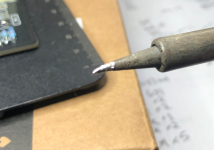
I'm not gonna win a medal for not changing my soldering tip. And yet, I keep using this crooked old tip to see how long I can make it last. (I have 2 fresh tips that I've owned for over a year, still using this tip I wrecked reworking a tube amp, using the tip to *push* wires out of tube socket lugs.)


1686702402179.png


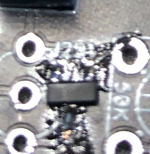
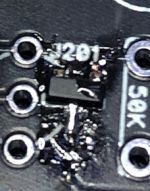
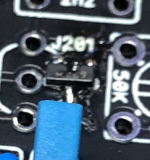
These might be good, or they may not.

1686702679125.png
1686702697742.png
1686702714027.png

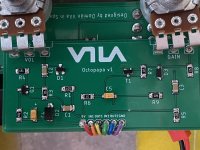
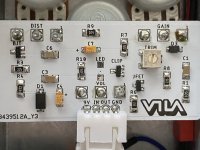
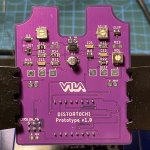
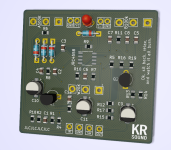
Thought I would share this hilariously messy work.

When I fire this fuzz up, if it doesn't work, I'm gonna suspect these fets first.
 
I'm not gonna win a medal for not changing my soldering tip. And yet, I keep using this crooked old tip to see how long I can make it last. (I have 2 fresh tips that I've owned for over a year, still using this tip I wrecked reworking a tube amp, using the tip to *push* wires out of tube socket lugs.)


View attachment 50480


These might be good, or they may not.

View attachment 50481
View attachment 50482
View attachment 50483

Thought I would share this hilariously messy work.

When I fire this fuzz up, if it doesn't work, I'm gonna suspect these fets first.
I have found these little fellas surprisingly resilient!
 
I can sympathize. SMD and I are in an on-again, off-again relationship that I should probably walk away from, but I'm too proud.
Same, but I like the results of using them, so I may be hooked. I had the great misfortune of getting it right on the first try with SMD. Fortunately I’ve had ample opportunity to learn from my mistakes since then.

Hang in there, @xefned !!
 
I use 1206 SMD components, and solder by hand using a pointy soldering tip. This is the best I can do. When my designs are stable, I'll switch to stencil and hot plate, since it's quicker and turns out better.
 

Attachments

  • IMG_1395.jpeg
    IMG_1395.jpeg
    468.1 KB · Views: 29
  • IMG_1420.jpeg
    IMG_1420.jpeg
    463 KB · Views: 29
  • IMG_1612.jpeg
    IMG_1612.jpeg
    562.4 KB · Views: 29
I don't do much cap or resistor work on SMD, but for transistors I've got a decent process which gives good results.

I apply solder to the SMD pads, then hold the transistor with some tweezers where it should go. Starting on the side with one leg, I just press my iron tip onto the leg into the pad until it takes hold. No extra solder. I wait a second or so for the solder to cool then I do the other legs without the tweezers. No extra solder, just what was on the pad. It works a charm for me.
 
I don't do much cap or resistor work on SMD, but for transistors I've got a decent process which gives good results.

I apply solder to the SMD pads, then hold the transistor with some tweezers where it should go. Starting on the side with one leg, I just press my iron tip onto the leg into the pad until it takes hold. No extra solder. I wait a second or so for the solder to cool then I do the other legs without the tweezers. No extra solder, just what was on the pad. It works a charm for me.

That's a good suggestion. I'll apply solder to one leg first next time.

I also feel like I could use a thinner tip.
 
I appreciate that observation.

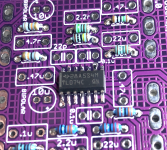
It must be the *weight* of the 14-pin IC that made it easier. The J201s were flip-flopping all around. But the IC was relatively easy to position.
I have different tweezers for nearly every different component size I use. Same for soldering iron tips. And tacking one lead to establish positioning, as previously noted, is key, for me at least.
 
Back
Top