How feasible is it to DIY a tuner?

Nostradoomus

Well-known member
I have a pretty out there (but probably already done, because I've done basically no research) idea for a tuner pedal and I want the hivemind's opinion. What say you?

Qualifiers:

1) Low Profile
2) ???
3) Profit. Get it?
 
There are a few DIY-tuner threads, very few, but the topic comes up in other non-tuner-specific threads, too, du temps en temps.


While I know I can buy a tuner cheaper than building one myself, well... the same could be said about pretty much every pedal we build.
We do what we do, build pedals, because we want to — many of us want to build our own tuner, tooner.
 
There is a tuner module (source code) for this DaisySeed project:

There are kicad files in the repo, and docs for building the hardware.


That said, I am a strobe tuner snob- I use a Turbo Tuner.
I put a video here as well https://forum.pedalpcb.com/threads/diy-pedalboard-is-almost-complete-chromatic-tuner.23956/

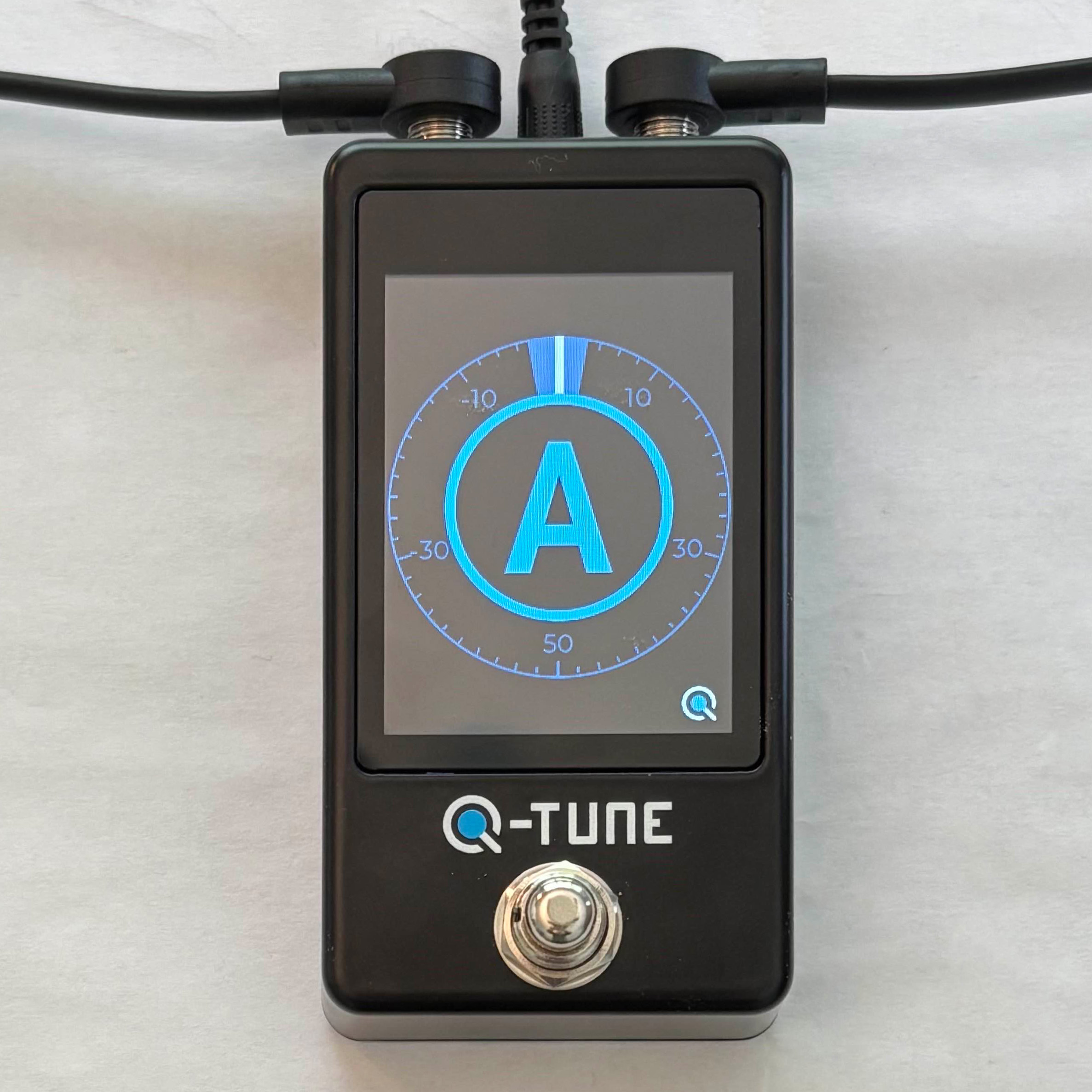
using hardware that can run https://github.com/cycfi/q with his BACF algorithm and have some sort of display (easier than leds IMO) makes this a very doable project!

That being said, I do still have my polytune on my board...

I could write up a strobe UI instead :geek:
 
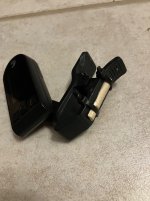
Someone better design a DIY Tuner soon. My clip on took a tumble, and I had to zip tie a splint to it. I don’t know how much longer it’ll last.
 

Attachments

  • IMG_2730.jpeg
    IMG_2730.jpeg
    585.9 KB · Views: 1
Problem solved:
not really:
1754613935067.png
and that doesn't include shipping.

i know and accept that DIY isn't about saving money, but ffs
 
I want to take a Polytune and put it in a 1590b with top jacks, but I had a hard time acquiring one due to back orders and delays, I don't want to bork mine in the process.
 
There's two options:

1. use a digital chip to voltage control a low noise oscillator then use an analogue phase correlation to display closeness, or you can notch search like a spectrum analyser.

2. sample it and then use FFTs to find the notes. You can either create a note FFT then phase correlate it, or you can use lots of notch filters and then lock in that way.

I have a 176 notch filter program that takes a sample and tries to work out the barred frets as you play. Then it works out the respective tuning error. I'm targeting 0.01Hz.

Things like daisy work - they need to have a high sample rate - this is about crossover accuracy rather than maximum frequency. A 96Ksps will get up to about 4KHz at 0.01Hz, a 48Ksps will get to around 2.4KHz. You can go up to 192KHz but then you have to process the rate of data.. and the poor STM32 starts to struggle so requires fudges and optimisations.
 
Back
Top