Cybercow
Well-known member
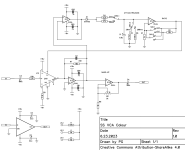
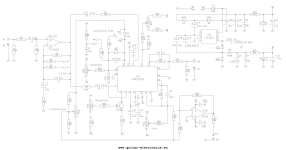
Of the two I presented, the first is simply a marked up version (with a coupla mod suggestions) of the one from Muzique. The 2nd schematic is Jack Orman's yet-to-be released version 3 which doesn't have the amount of control the 1st one has. Version 3, while using the same chip, seems to be more of a sustainer/boost.Are you writing about this version?
Or the one you presented the schematic for is a different version?

It doesn't really matter.By the way, I was looking for resuorces to get the SSM2166 chip earlier, and found it has different versions: SSM2166A, SSM2166P, SSM2166SZ, etc. Does it matter which one you buy? At Smallbear electronics they are selling the A, but on Aliexpress and many other shop sites they sell the other versions. For example the local shop here is selling the P. Does it matter what letter is at the end of the identifier, or you can just use all for building this compressor?
The main differences between the SSM2166 variants (A, P, SZ) relate to packaging, temperature range, and RoHS compliance, rather than functional audio performance The SSM2166 is a low-noise, mono microphone preamplifier with variable compression and noise gating. [1, 2, 3]
- SSM2166SZ (Standard/Current): This is the modern, Lead-Free (RoHS compliant) version. The "Z" suffix specifically indicates RoHS compliance. It usually comes in a 14-lead SOIC (narrow body) package.
- SSM2166S (Obsolete/Original): The original standard SOIC version, likely non-RoHS or an older packaging revision compared to the SZ.
- SSM2166P (PDIP): This indicates the 14-lead Plastic Dual-In-Line Package (PDIP), which is intended for through-hole mounting rather than surface-mount (SOIC).
- SSM2166A: Often used in vendor part numbers to denote high-grade or specific automotive temperature ranges, but generally adheres to the same functionality as the base model in a similar SOIC package.
Unfortunately, I've sold the ones I built. In my personal journey for empirical experience, I would often invest in evaluation board for some devices to better understand it/them. Mouser has an eval board for the SSM2166 if you're interested in pursuing it that way.Another thing: to keep it on the empirical path, do you have this compressor? If yes, in case I send you a sample over, can you run it through the compressor to see if it can compress the signal in the way I want? I can send you a screenshot from the editor where the threshold should be.