Skeptican Buffer, 29 Pedals and actual copyright...

Hmm ok, I think I see 3(?) different voltage regulators. Gotta be pretty inefficient.

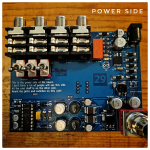
The DC input goes through a bridge rectifier to ensure the correct polarity, then regulated down to 5V, then stepped back up to around +/- 20V via the SMPS, then regulated back down again to +/-15V.

But on the bright side, you can power it with that noisy old laptop charger you have laying around (assuming it has a 2.1mm plug) instead of your pedal power supply that was actually intended for pedals.... and that's what really matters.
 
The DC input goes through a bridge rectifier to ensure the correct polarity, then regulated down to 5V, then stepped back up to around +/- 20V via the SMPS, then regulated back down again to +/-15V.

But on the bright side, you can power it with that noisy old laptop charger you have laying around (assuming it has a 2.1mm plug) instead of your pedal power supply that was actually intended pedals.... and that's what really matters.
Seriously infuriating.
 
The DC input goes through a bridge rectifier to ensure the correct polarity, then regulated down to 5V, then stepped back up to around +/- 20V via the SMPS, then regulated back down again to +/-15V.

But on the bright side, you can power it with that noisy old laptop charger you have laying around (assuming it has a 2.1mm plug) instead of your pedal power supply that was actually intended for pedals.... and that's what really matters.
Ah - the old "take three left turns to make a right" technique, brilliant.
 
he wanted to be able to sell you a buffer that runs at studio console voltages but also not have a bunch returned when idiots plug in the wrong power supply
 
  • Like
Reactions: spi
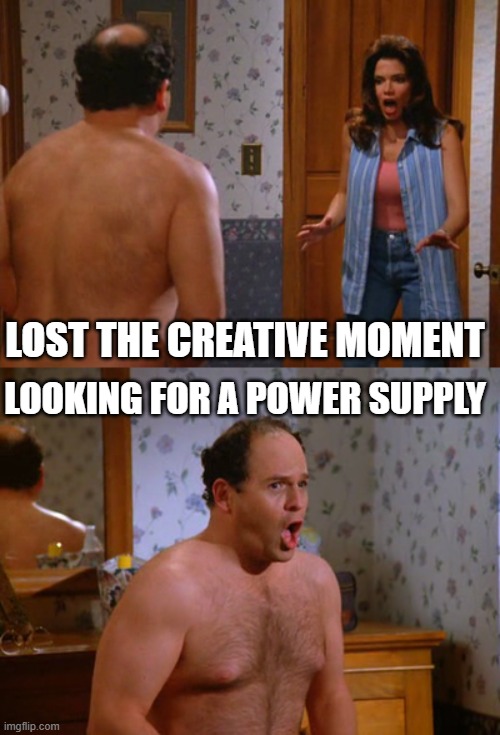
Thanks for your reply. As to the power supply, having toured around the world for a good part of my career, it is never fun when a power supply goes down. If the brick powering your board goes down, you may only have a few minutes to find a solution. Not everyone carries a spare, and not every country has music stores that are open late. Being able to power a pedal from a wider range of supplies can be make-or-break, and personal experience can testify to how useful this can be in a pinch. Additionally, in a lot of creative situations like recording studios, there isn't a built and dressed pedal board, but a large selection of pedals to build up a quick chain for a song. In those cases, having worked at studios for awhile as well, losing time looking for an extra suitable supply can mean losing the creative moment.

This is what he said when I asked him about why he thought the power section was necessary. I mean, I get it to an extent, but also like just be prepared? Have a backup supply. Still gonna be cheaper.
And if a creative moment requires a buffer to the point where you can’t just decide to record without it… well… it’s probably boring, ngl.
 
I "lost the creative moment" reading that
aem6sj.jpg
 
Being able to power a pedal from a wider range of supplies can be make-or-break, and personal experience can testify to how useful this can be in a pinch.

I couldn't agree more, but wouldn't that make more sense in some sort of power supply rather than a single pedal?

I mean, what do we do about the rest of the pedalboard?

Or is this just for the "Guitar straight into amp (through buffer¹)" crowd?


With all the overhead already involved it would be nice to include a DC output jack so I could power another pedal or two...
 
This is what he said when I asked him about why he thought the power section was necessary. I mean, I get it to an extent, but also like just be prepared? Have a backup supply. Still gonna be cheaper.
And if a creative moment requires a buffer to the point where you can’t just decide to record without it… well… it’s probably boring, ngl.
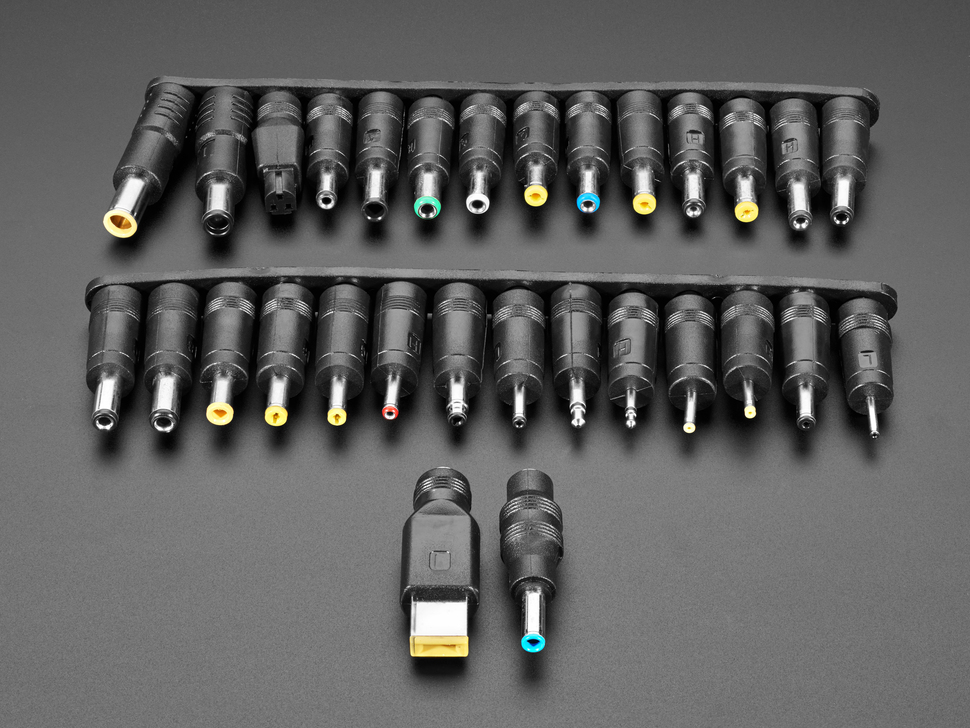
He's also overlooked possibly the most obvious part of the power supply - the plug type

30-piece-55-21mm-to-dc-barrel-jack-adapter-kit-product_images_additional-1.jpg


s-l1200.jpg


ed43a317fc3016a46f9d3bfc6f4314c1.jpg
 
Back
Top