
You are using an out of date browser. It may not display this or other websites correctly.
You should upgrade or use an alternative browser.
You should upgrade or use an alternative browser.
Cheap Guitars, Real Wood???
- Thread starter music6000
- Start date

drgonzo1969
Well-known member
hahaha
When I used to work in a guitar store I noticed that yes, plenty of the cheap Strat and Les Paul copies were indeed made of plywood. Not sure what this fella is on about. Maybe fewer guitars are made from ply these days? When I was working in the store Strats were the "in" guitar so we didn't see so many Les Paul copies. It was the used Les Paul copies from earlier - say '70s/early '80s - which would be made from ply. It was very easy to tell that they were made of ply because if you couldn't see the layers through the finish you could see them in the cavities. And a lot of them came in damaged and it was obvious that they were laminated.
The wildest thing was that one series of ply Strats we had actually sounded pretty good. Not L-series Strat good, but certainly serviceable.
The wildest thing was that one series of ply Strats we had actually sounded pretty good. Not L-series Strat good, but certainly serviceable.


Harry Klippton
Not Interested
I have an older squeir strat that's got a plywood body. It sounds pretty good, ya know for being a strat and all...

mkstewartesq
Well-known member
Interestingly, Brian May's homemade Red Special is essentially made of plywood (actually "blockboard" which is a core made of wooden strips or blocks, placed edge to edge between two layers of plywood).
Mike
Mike


Coda
Well-known member
it's almost like 'tone wood' isn't a real thing
Almost…

damianvila
Well-known member
I love this Tim Sway video where he made 3 guitars, one ash, one mahogany and one particleboard and he plays them without showing which is which:
At the end he puts a link to another video where he reveals the guitars, but the fun part is choosing the one you prefer from the first video and then find out which one you preferred.
At the end he puts a link to another video where he reveals the guitars, but the fun part is choosing the one you prefer from the first video and then find out which one you preferred.

RetiredUnit1
Well-known member
Have you heard an unamplified electric? Electrics depend on amps for tone which is why guitar amps are low fidelity in that they add tone to the signal. You never see anyone using two 2203's for a stereo system.
Acoustic guitar depend on the type of wood for resonance, but I have a few with plywood backing that sound VERY good. Real wood fronts tho. My real Gibson J185ec and Martin D28e DO sound better than the ones I have with plywood backs. Bass and resonance out of these two just playing out in the front yard is astounding....
That being said I yearn for the all Rosewood Tele..... drooooooollllll.......
edited: I forgot plastic electric guitars, they do sound good......
Acoustic guitar depend on the type of wood for resonance, but I have a few with plywood backing that sound VERY good. Real wood fronts tho. My real Gibson J185ec and Martin D28e DO sound better than the ones I have with plywood backs. Bass and resonance out of these two just playing out in the front yard is astounding....
That being said I yearn for the all Rosewood Tele..... drooooooollllll.......
edited: I forgot plastic electric guitars, they do sound good......
A friend of mine has recently taken to playing Rickenbackers. It's been very interesting working through tones with him - he is a very skilled guitar tech and knows how to set things up. Recently he borrowed a T-Armond pickup off me to see what it would sound like in his spare Ric 330. I had a feeling it might be rather too bright as Dearmond style pickups, while capable of some beautifully rich, deep tones can also be extremely bright. Sure enough, he said it was painfully bright! The Ric 330 is a semi-hollow guitar routed out of solid maple with a maple neck and rosewood board so naturally it's going to be bright.
So it's interesting that a Gretsch 6120 which is also all maple but with an ebony board (still quite bright but with a more rounded off high end than RW) is not so piercingly bright with the same pickups. I suspect being fully hollow and made of laminated maple must make a big difference. It probably flexes more and isn't as rigid. The 6120 is still a bright guitar but seems to encourage a fuller tone with its construction I guess.
So it's interesting that a Gretsch 6120 which is also all maple but with an ebony board (still quite bright but with a more rounded off high end than RW) is not so piercingly bright with the same pickups. I suspect being fully hollow and made of laminated maple must make a big difference. It probably flexes more and isn't as rigid. The 6120 is still a bright guitar but seems to encourage a fuller tone with its construction I guess.

jeffwhitfield
Well-known member
You're absolutely right, the construction of a guitar can have an impact on the sound. It's the reason why hollow body guitars have a tendency to feedback much easier than solid body ones at higher gain levels.A friend of mine has recently taken to playing Rickenbackers. It's been very interesting working through tones with him - he is a very skilled guitar tech and knows how to set things up. Recently he borrowed a T-Armond pickup off me to see what it would sound like in his spare Ric 330. I had a feeling it might be rather too bright as Dearmond style pickups, while capable of some beautifully rich, deep tones can also be extremely bright. Sure enough, he said it was painfully bright! The Ric 330 is a semi-hollow guitar routed out of solid maple with a maple neck and rosewood board so naturally it's going to be bright.
So it's interesting that a Gretsch 6120 which is also all maple but with an ebony board (still quite bright but with a more rounded off high end than RW) is not so piercingly bright with the same pickups. I suspect being fully hollow and made of laminated maple must make a big difference. It probably flexes more and isn't as rigid. The 6120 is still a bright guitar but seems to encourage a fuller tone with its construction I guess.
That said, the whole tone wood thing is a lot like tube amps...it's really in the eye of the beholder. Yes, certain woods can have an impact on the sound...but it seems to me to be fairly marginal at best.
I find it fascinating ow the wood and construction does affect sound. Back when I worked in a guitars store I had to do due diligence and learn about how the guitars were built. at that time the differences between a Les Paul Custom and Les Paul Standard were relatively minor but the guitars did sound different. I assumed that I would prefer the Custom: mahogany body, maple cap, maple neck and ebony board, versus the Standard's similar body but mahogany neck and RW board. The maple/ebony of the custom rounded off the high end considerably compared to the Standard. Clean the Custom had a sweeter sound which lent it to jazz particularly well.
But when adding some dirt I found that the extra bite of the Standard with the mahogany neck and RW board gave it a more vocal, rock sound which I liked and still like. It was striking how different they sounded even with identical electronics. And the differences were consistent regardless of which Standard or Custom I played. Of course over the years the woods used in both models have varied and there are examples of both models that I have liked. But I would definitely say that in general I prefer the sound of the Standard.
Some folks will say it's all bollocks and that's fine! If it doesn't affect you or you feel you can make up the difference somewhere else then all that matters is making the gear work for you. I'm no Eric Johnson but I do enjoy getting a particular sound. Sometimes I envy the guy who can stick a Les Paul into a Rat into a Marshall and call it good.
But when adding some dirt I found that the extra bite of the Standard with the mahogany neck and RW board gave it a more vocal, rock sound which I liked and still like. It was striking how different they sounded even with identical electronics. And the differences were consistent regardless of which Standard or Custom I played. Of course over the years the woods used in both models have varied and there are examples of both models that I have liked. But I would definitely say that in general I prefer the sound of the Standard.
Some folks will say it's all bollocks and that's fine! If it doesn't affect you or you feel you can make up the difference somewhere else then all that matters is making the gear work for you. I'm no Eric Johnson but I do enjoy getting a particular sound. Sometimes I envy the guy who can stick a Les Paul into a Rat into a Marshall and call it good.
damianvila
Well-known member
In my case, I pay no attention at all to wood. I simply don’t care, as I think it has minimal influence in an electric.
The factors, to me, that are critical are construction (if it’s well built, if I like the shape of the neck, if it’s not too heavy), finishing (does the neck feel nice to the touch? Are the frets correctly finished?), pickups (that sometimes needs a setup because they’re not optimized from the factory) and tuners (does it stay in tune after banging it for a couple songs?).
If all that is ok, and I like the looks of the guitar, it’s a great guitar to me, no matter what wood the guitar is made of. It could be made of plywood or MDF or particleboard, I don’t care.
But that’s only my opinion, of course.
The factors, to me, that are critical are construction (if it’s well built, if I like the shape of the neck, if it’s not too heavy), finishing (does the neck feel nice to the touch? Are the frets correctly finished?), pickups (that sometimes needs a setup because they’re not optimized from the factory) and tuners (does it stay in tune after banging it for a couple songs?).
If all that is ok, and I like the looks of the guitar, it’s a great guitar to me, no matter what wood the guitar is made of. It could be made of plywood or MDF or particleboard, I don’t care.
But that’s only my opinion, of course.

owlexifry
Well-known member
what about two 5F1’s ?You never see anyone using two 2203's for a stereo system.
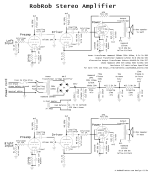
RetiredUnit1
Well-known member
I built 6 Hiwatt DR504's, three I sold and that paid for the three I kept. I was using one for guitar, and the other two for the Mic. Sounded incredible, but then my voice needs that reinforcement same as an electric guitar. On that note, Gilmour has a video where he's singing shine on you crazy diamond. All by himself, and he holds the guitar so you can see the chords. Then he sings and OMG, it's obvious he uses a lot of 'reinforcement' as well, lol. I was surprised that his voice sounds so much like mine without the amps and effects.what about two 5F1’s ?
View attachment 55597
Have you ever compared similar Strats - one made of ash, the other alder? I'd be surprised if you couldn't hear the difference!In my case, I pay no attention at all to wood. I simply don’t care, as I think it has minimal influence in an electric.
The factors, to me, that are critical are construction (if it’s well built, if I like the shape of the neck, if it’s not too heavy), finishing (does the neck feel nice to the touch? Are the frets correctly finished?), pickups (that sometimes needs a setup because they’re not optimized from the factory) and tuners (does it stay in tune after banging it for a couple songs?).
If all that is ok, and I like the looks of the guitar, it’s a great guitar to me, no matter what wood the guitar is made of. It could be made of plywood or MDF or particleboard, I don’t care.
But that’s only my opinion, of course.
damianvila
Well-known member
While I can’t say definitively wood has no influence whatsoever in an electric guitar sound, from all I’ve seen, it’s so minimal it can be mostly disregarded.Have you ever compared similar Strats - one made of ash, the other alder? I'd be surprised if you couldn't hear the difference!
It’s one of those things musicians care about, that people listening to your music can’t even tell.
And honestly, most people that “compare” sounds do so knowing which instrument is which, that’s not a good way to compare things in an impartial way (knowing that a guitar is made from a wood you like can influence your brain to “listen” things that are not really there). They also obviate the pickups, and the setup, that can alter how a guitar may sound.
The pickups make a bigger difference, honestly, and I do care more about them, and to set them up correctly. Changing your pickups has a more noticeable difference in sound than anything wood can marginally offer.
Now, if we’re talking about acoustic guitars, that’s another thing completely.
But for electrics, I honestly couldn’t care less about wood. Just use something sustainable and I’ll take it.
If you want to have fun, look at the video I posted before in this thread, and see what wood sounds best to your ears (but obviously, without looking or cheating by knowing beforehand which wood is which, because musicians, as you know, hear with their eyes). Tim Sway has other videos with experiments on tonewood (spoiler alert: the best sounding wood is particle board!)
Or look for Jim Lill’s videos about where sound come from.
Similar threads


- Replies
- 13
- Views
- 197


