You are using an out of date browser. It may not display this or other websites correctly.
You should upgrade or use an alternative browser.
You should upgrade or use an alternative browser.
Show Your Oddball/Specialized Tools
- Thread starter Cybercow
- Start date



peccary
Well-known member
I've got a lot of tools, but these two are at opposite ends of the spectrum which I think is pretty cool.
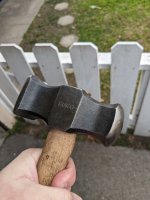
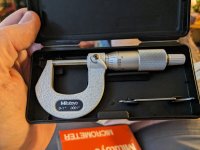
My favorite smithing hammer: a Brent Bailey "modified new style" hammer which has a rounding head and a more traditional flatter square head, and my Mitutoyo .0001'' micrometer.
The micrometer is overkill (I have a .001' one that I use 99% of the time) but you've gotta love being overly precise sometimes, I guess.


My favorite smithing hammer: a Brent Bailey "modified new style" hammer which has a rounding head and a more traditional flatter square head, and my Mitutoyo .0001'' micrometer.
The micrometer is overkill (I have a .001' one that I use 99% of the time) but you've gotta love being overly precise sometimes, I guess.

Bricksnbeatles
Member known well
I’m sure I have others to share, but this is definitely the most ‘oddball’ of them by far. Maybe not in terms of utility, but other than that…

So, this is the Tone-E Levin, which is a pretty simple device of my own invention for auditioning tone controls in a guitar. Pretty much, there are two sets of banana sockets that banana leads can be clipped into to attach to a capacitor, inductor, or LC combination. There are 4 audio taper pots, ranging from 100K (as used in some old school import guitars) to 1M (most common in offsets), and each one has an accompanying toggle switch which connects the relevant pot to the left bank when in the down position, and the right bank in the up position. That means when I’m wiring up a guitar and I don’t know what value cap I want to use to best accompany the pickups, I just omit the cap in the guitar (which means the tone control is effectively not in the circuit anymore), plug into the Tone-E Levin, and audition cap values, with the ability to easily switch back and forth for all that nuance shit. Putting an inductor or LC network in place of just a cap allows me to experiment with other onboard passive filter types. The big toggle is a quick bypass to simulate a no-load pot, though the same thing is achieved by having all of the mini toggles in the middle off position.
Anyway, I thought Tone-E Levin would be a funny name for it (I like naming my tools after musicians as a little joke— the chuck for my lathe is Chuck Mangione), and one time I brought a picture of it to a Stick Men concert to show Tony Levin, and he thought it was pretty funny and he signed the picture, which now hangs proudly on my workbench wall alongside some vintage guitar magazine adverts and proofs of some of my favorite music themed prints I’ve made.
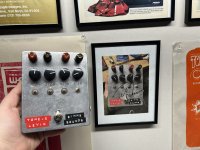
So, this is the Tone-E Levin, which is a pretty simple device of my own invention for auditioning tone controls in a guitar. Pretty much, there are two sets of banana sockets that banana leads can be clipped into to attach to a capacitor, inductor, or LC combination. There are 4 audio taper pots, ranging from 100K (as used in some old school import guitars) to 1M (most common in offsets), and each one has an accompanying toggle switch which connects the relevant pot to the left bank when in the down position, and the right bank in the up position. That means when I’m wiring up a guitar and I don’t know what value cap I want to use to best accompany the pickups, I just omit the cap in the guitar (which means the tone control is effectively not in the circuit anymore), plug into the Tone-E Levin, and audition cap values, with the ability to easily switch back and forth for all that nuance shit. Putting an inductor or LC network in place of just a cap allows me to experiment with other onboard passive filter types. The big toggle is a quick bypass to simulate a no-load pot, though the same thing is achieved by having all of the mini toggles in the middle off position.
Anyway, I thought Tone-E Levin would be a funny name for it (I like naming my tools after musicians as a little joke— the chuck for my lathe is Chuck Mangione), and one time I brought a picture of it to a Stick Men concert to show Tony Levin, and he thought it was pretty funny and he signed the picture, which now hangs proudly on my workbench wall alongside some vintage guitar magazine adverts and proofs of some of my favorite music themed prints I’ve made.

Alan W
Well-known member
The one I keep meaning to write about, is my favorite pair of locking tweezers. They have several great qualities: long, narrow tips that still have some strength to them, a fairly light spring action, and, most importantly, a sliding lock, that turns the tips into a delicately maneuverable clamp. Its my secret weapon for holding tiny parts down while I solder them, etc.

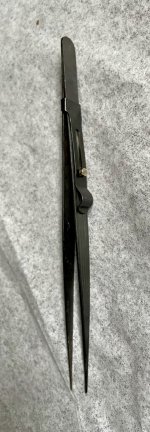

DailyDovetails
Well-known member
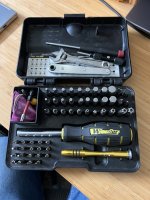
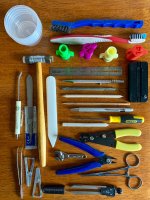
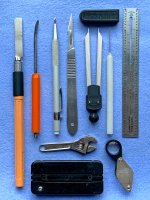
This is what I call my Tiny Toolkit. It lives in my backpack that I take with me everywhere and I have used it to repair guitars, pedals, cars, tractors, survey equipment, tractors, bicycles, stuff around the house, ect.
It’s not really specialized other than maybe the small nut drivers, small crescent or 6mm bit ratchet.

finebyfine
Well-known member
This thread is destined to do damage to my wallet
benny_profane
Well-known member
Interested in those! Where can I find them?favorite pair of locking tweezers
Alan W
Well-known member
Unfortunately, I’ve had them for so long, that I have no idea. But keep you eyes open for something similar. I’ll go over them with a magnifier and see if there are any ID marks on them.Interested in those! Where can I find them?
benny_profane
Well-known member
I really appreciate that. Sounds like it’s a great tool.Unfortunately, I’ve had them for so long, that I have no idea. But keep you eyes open for something similar. I’ll go over them with a magnifier and see if there are any ID marks on them.
finebyfine
Well-known member
Unfortunately, I’ve had them for so long, that I have no idea. But keep you eyes open for something similar. I’ll go over them with a magnifier and see if there are any ID marks on them.
Tweezers are my second most used hand tool in pedal making so I am also curious! I’ll have to keep an eye open for ones like that
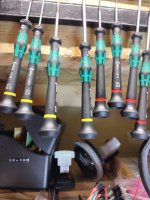
Wera precision screwdrivers
Granddad's Rexel stapler
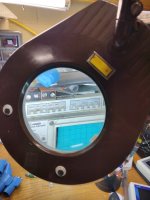
Granddad's drafting lamp.
Was on his workbench(without googly eyes) for ~25 years after he retired until he passed. Been on mine for the last decade.
I couldn't solder worth a damn without it.
Edit- I know screwdrivers are normal tools, but the Weras are abnormally good.
finebyfine
Well-known member
The most used things on my bench that aren’t a soldering iron, dmm or component tester:
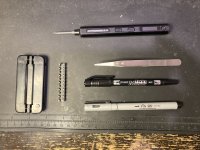
- Random ceramic tweezers. I bend leads with these, position wires, grab components from my drawers and bins.
- Arrowmax electronic precision screwdriver, the ultimate wrist saver. I’ve owned several different electronic screwdrivers and this is by far the best I’ve used. SES Mini model. I use it every day and have maybe charged it 3 times since I bought it
- Oil based markers for writing on plastic bags. I use the Pilot Twin for the large tip and the Uni Pin instead of the Twin’s smaller tip which is too small for my liking. They dry faster and with more durability on plastic than oil based sharpies
- DIP IC leg straightener. I never place an IC without it
- 3D printed component bender that I only use for DO-35 diodes (1N4148, BAT series, etc). I’m terrible at bending DO-35 diodes to the correct length with tweezers. DO-41 diodes I can do no problem with tweezers

- Random ceramic tweezers. I bend leads with these, position wires, grab components from my drawers and bins.
- Arrowmax electronic precision screwdriver, the ultimate wrist saver. I’ve owned several different electronic screwdrivers and this is by far the best I’ve used. SES Mini model. I use it every day and have maybe charged it 3 times since I bought it
- Oil based markers for writing on plastic bags. I use the Pilot Twin for the large tip and the Uni Pin instead of the Twin’s smaller tip which is too small for my liking. They dry faster and with more durability on plastic than oil based sharpies
- DIP IC leg straightener. I never place an IC without it
- 3D printed component bender that I only use for DO-35 diodes (1N4148, BAT series, etc). I’m terrible at bending DO-35 diodes to the correct length with tweezers. DO-41 diodes I can do no problem with tweezers
Alan W
Well-known member
No markings anywhere. So I did a little sleuthing. First hits were on Etsy. Here’s one that’s promising.Unfortunately, I’ve had them for so long, that I have no idea. But keep you eyes open for something similar. I’ll go over them with a magnifier and see if there are any ID marks on them.
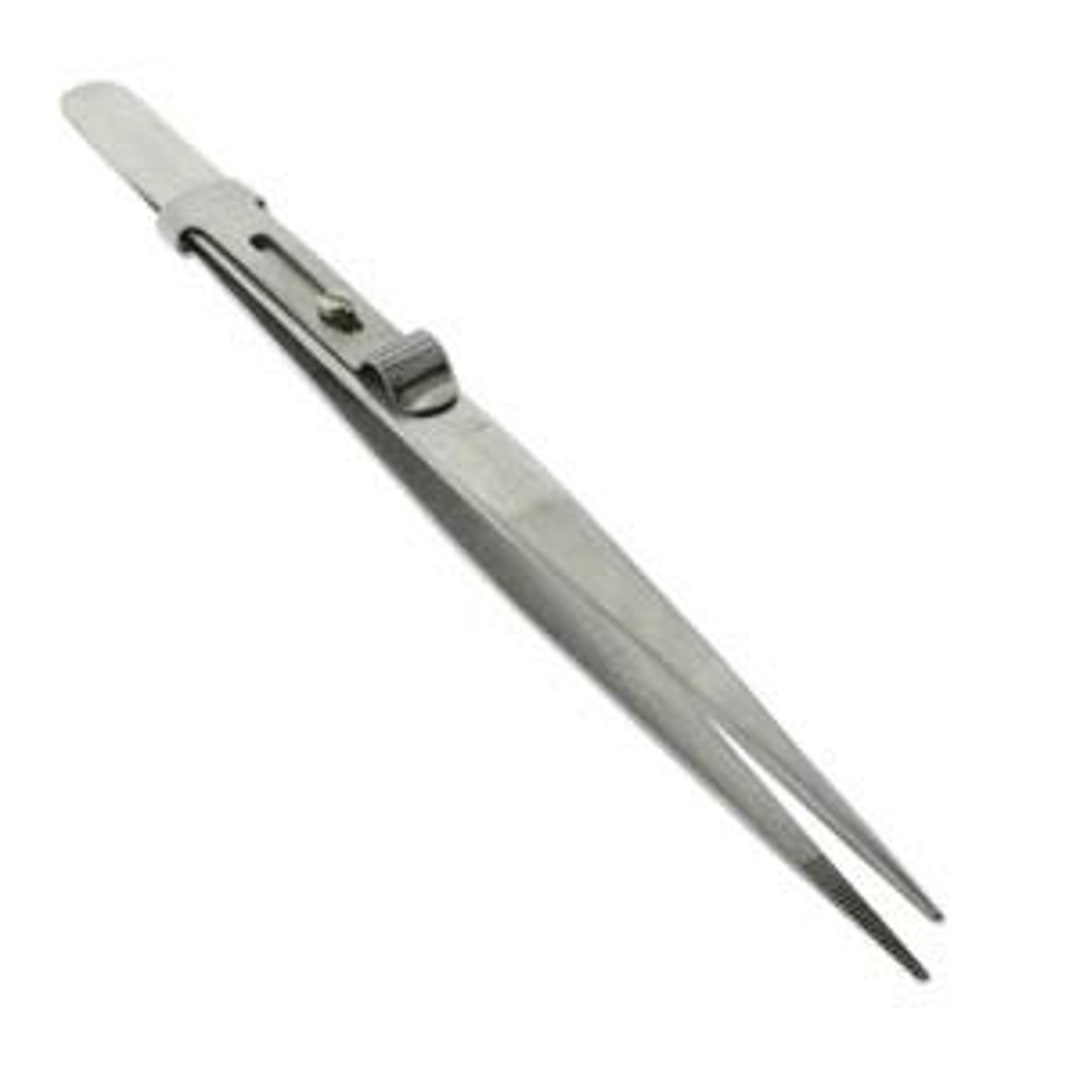
Stainless Steel Fine Point Crafters Tweezers With Slide Lock - Etsy
This Tools item by TDSONLINESTORE has 5 favorites from Etsy shoppers. Ships from Holden, MO. Listed on Nov 24, 2023
 www.etsy.com
of course, the problem with recommending anything else, is that there’s no way of knowing how stiff or gentle the tweezers are until they’re in-hand.
im sure the JLB-1 are nice, but excu$e me!! (And I thought I knew how expensive tools could get…)

Slide Lock
 www.excelta.com
now that that’s out of the way, these seem very similar, in size and overall shaping to my mystery pair, and at about 1/20th the cost of excelta ones.
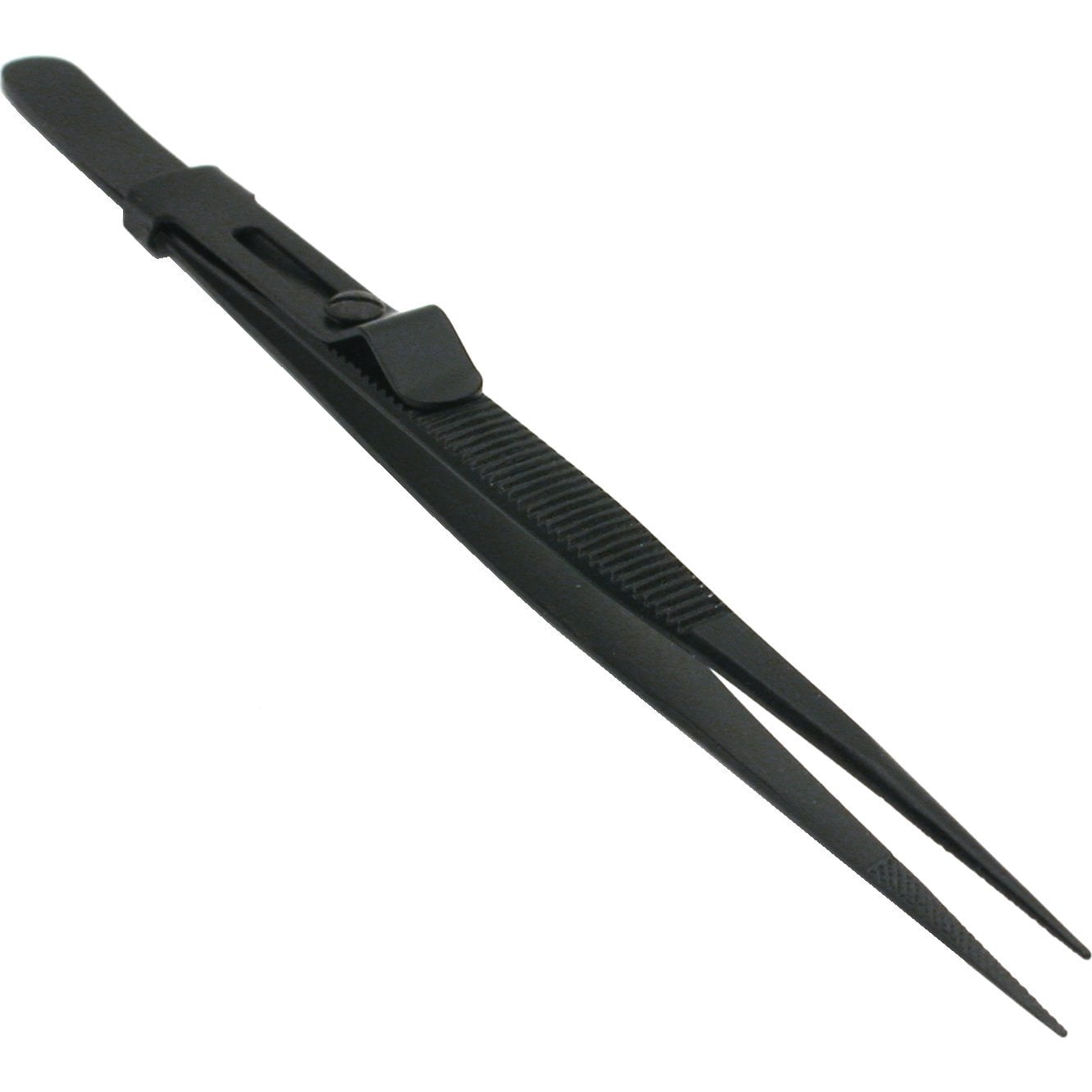
Black Locking Tweezers Jewelers Watchmaker Diamond Gem Bead Pickup Tool 2 Pcs - Walmart.com
Arrives by Mon, Feb 5 Buy Black Locking Tweezers Jewelers Watchmaker Diamond Gem Bead Pickup Tool 2 Pcs at Walmart.com
www.walmart.com
finally, (now that I know they’re called slide lock tweezers), these are even labeled as soldering tweezers!
finebyfine
Well-known member

benny_profane
Well-known member
Precision Tweezers: Your right-hand man!


RetiredUnit1
Well-known member
If you've ever struggled trying to insert a strain relief with a thick power cord into the back of a Fender chassis you know the pain! Fortunately there's a tool for that!!! "Heyco No 29"

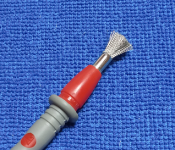
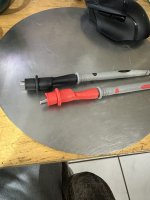
And of course when dealing with 450vdc, it's a REALLY good idea to use alligator clips especially when it's part of the probe. These add-on's came with the probes:
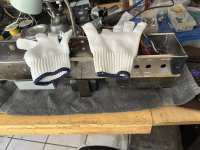
Ok, these aren't technically tools.... I have very acidic fingers, just the slightest smear on a chrome faceplate quickly becomes permanent, so every time I move the chassis or put components on the faceplate I wear at least one of these or both. They also work great when sanding wood. They're like stretchy tube sock material... I could only find them 'by the dozen' which is kinda good as they get dirty quickly.
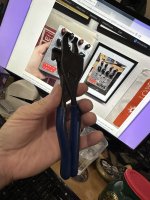
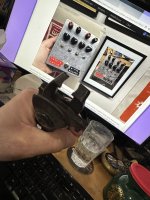

And of course when dealing with 450vdc, it's a REALLY good idea to use alligator clips especially when it's part of the probe. These add-on's came with the probes:
Ok, these aren't technically tools.... I have very acidic fingers, just the slightest smear on a chrome faceplate quickly becomes permanent, so every time I move the chassis or put components on the faceplate I wear at least one of these or both. They also work great when sanding wood. They're like stretchy tube sock material... I could only find them 'by the dozen' which is kinda good as they get dirty quickly.
Last edited:

chris.knudson
Well-known member
Hell yes. Grandad knew what he was doing.Granddad's drafting lamp.