That would be a handy tool for pedal-building, too.
Stick it in a 1590BB and have an extra switch to go between
two SP12T switches...
Better yet, you could have, say, 4 SP12T rotaries and a 5th rotary 4PDT to select between the different decade-rotaries.
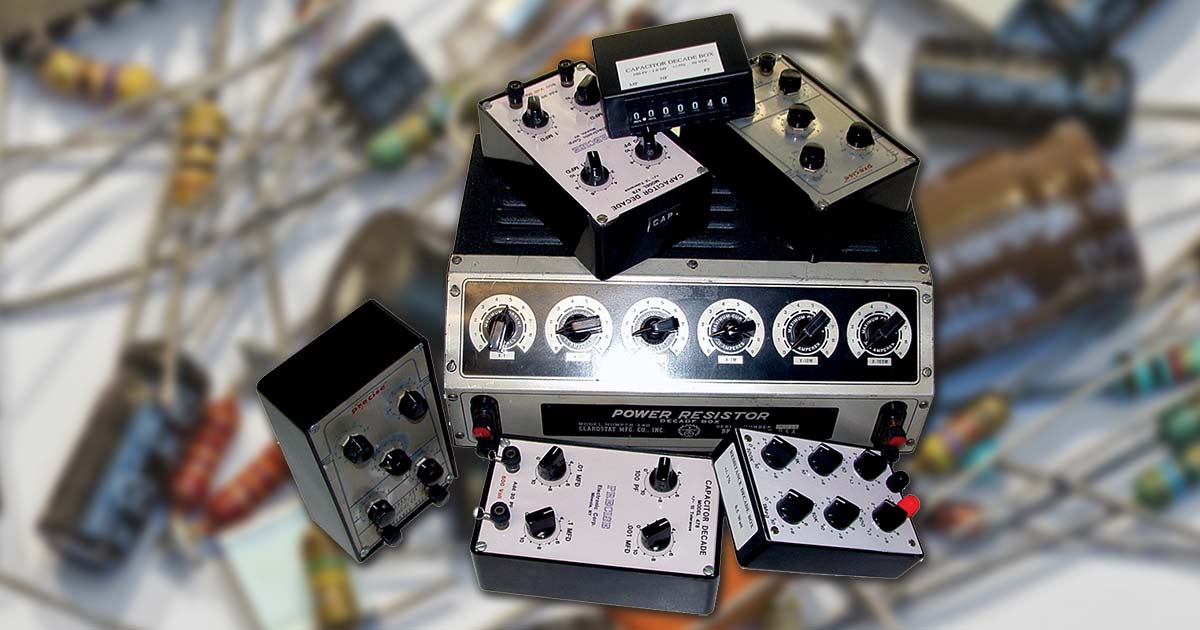
So, basically a decade-box.
Oh, vid-guy wants $3 for his schematic, ie his preferred choices for capacitor values for guitar.
While the OP Music6000 is sure to be aware, any newbs who come across this thread — There's
a few vids about capacitor (and resistance) decade boxes on youtube, to help you build your own and not be confined to guitar values ie have something a bit more versatile for pedal-building and/or general electronics.
I'm lazy, I went for a
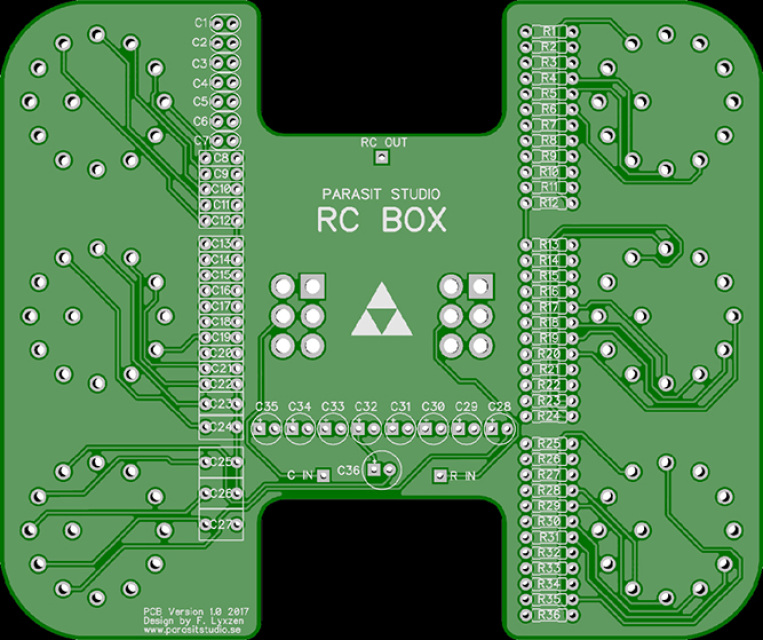
Parasit R/C PCB a few years ago, still haven't built it (I did say I was lazy).
That PCB is now €20 (eep!), but it is large (needs a 1590XX box IIRC) so the price is still not that bad.
You can build a decade box without the PCB of course, DIY as cheaply as possible...
Elliot Sound Products has some great info:
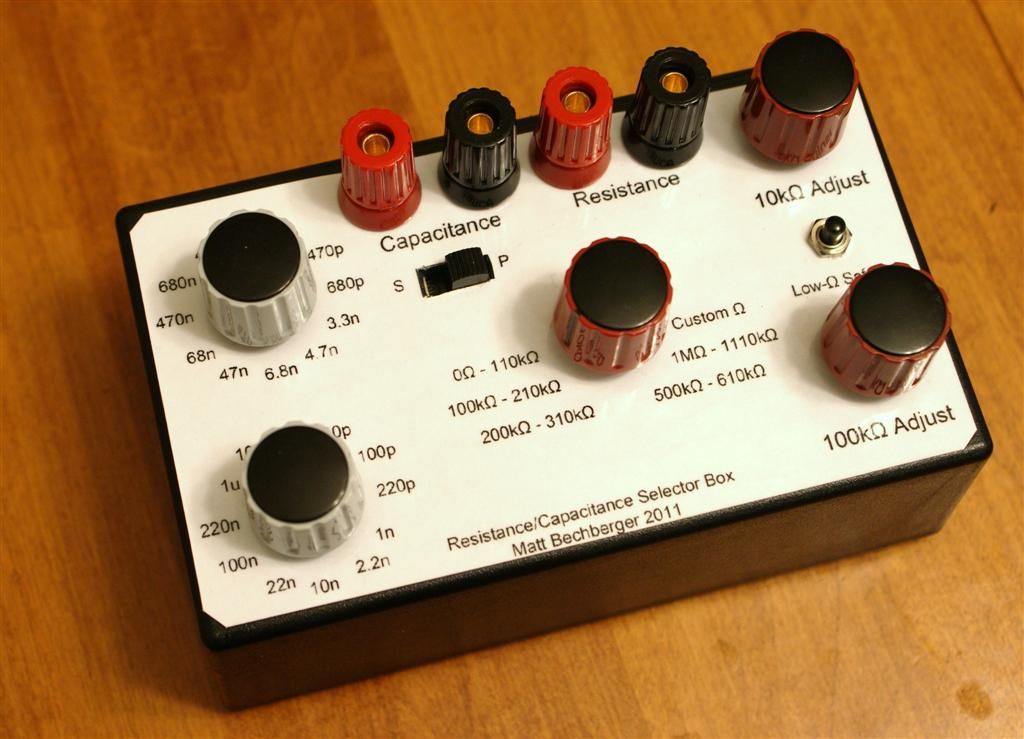
Here's an "Instructable":
Build a Resistor/Capacitor Selection Box: If you've ever been designing a circuit and had to experiment with different values of caps and resistors, you probably didn't like it much. It can be a hassle to switch out components over and over, trying to find the right combinatio…

www.instructables.com
I tried to keep a search strictly to capacitance, but "capacitance decade boxes" still brings up a lot of resistance...
I'm sourcing parts for a custom decade capacitance box.. I have rotary switches, banana jacks, etc, on the way, and it's time to start buying lots of precision capacitors so I can make this project happen. I wanted to ask you fine folks if there is any particular types of capacitors I should be...

groupdiy.com
How capacitor and resistor substitution boxes work and what’s available.
www.nutsvolts.com
This article gives an overview of how to build a resistor/capacitor selection box which is used to experiment a different values of resistors and caps.

www.elprocus.com
Just remember capacitors in parallel sum, whereas resistors in series sum — if you want to combine decades.
You don't have to use rotaries, you can use dip-switches or tumblers, too.
Still, I'm curious what vid-guy thinks a good set of guitar values is... $3 isn't much, that's just 25¢/cap — curiosity is killing this cat...